
You Can’t Buy Culture – You Have To Build It!
The Feeling of Almost
Many neurodivergent individuals feel capable of something — yet often find themselves on the outside looking in. Think of Stuart Little at the end of the first film, before George realises his little whiskered brother has found his way home. He’s on the outside, with little hope — a feeling the family shares. Opportunities in the world of work shouldn’t be ad hoc surprises, leaving people on tenterhooks. There should be something real and tangible for them to own.
The Hidden System
There is no single issue that fully explains this challenge. Often, organisations default to reactive rather than proactive approaches when building teams to deliver their mission. While this can be effective in the short term, it can also create unintended gaps over time. As a result, it becomes easier to understand the frustration many neurodivergent individuals feel, as their sense of purpose can remain unclear. When talent isn’t intentionally supported or developed, it risks being overlooked rather than fully realised.
A Different Way of Thinking About Talent
This is where the idea of a talent ecosystem comes into focus. If we are serious about building brighter futures, particularly for neurodivergent and disabled people, we have to think beyond short-term solutions. A reactive approach can limit the range of opportunities available, often without intention. The distinction is simple but powerful: a recruitment model asks, “who do we need right now?” A talent ecosystem asks, “who are we building, and what environment makes that possible?” One fills immediate gaps. The other creates long-term pathways.
Why This Matters
If the structure isn’t built to support a talent ecosystem, the impact is often felt across an organisation. Even highly skilled external hires can struggle to succeed without the right foundations in place. At the same time, internal talent can lose confidence and direction when progression pathways are unclear. Over time, this can create a cycle where potential isn’t fully realised, and growth becomes harder to sustain.
What Football Taught Me About Systems
People often say football can’t be compared to other areas of life, but there are useful parallels. Manchester United has historically been at its best when built on a clear identity — developing homegrown talent, supported by experienced players, with world-class quality added at the right time. It’s a system, not just a collection of individuals. Even the best individuals struggle without the right system. When identity and structure are in place, talent thrives and culture becomes self-sustaining. Without them, even the most promising individuals can find it difficult to succeed or truly belong.
The Three Pillars of a Talent Ecosystem
1. Identity Before Recruitment
Lived experience of neurodivergence and disability brings real, often overlooked value. In purpose-driven organisations especially, those closest to the mission can offer insight that cannot be taught. Building with that perspective in mind creates a stronger, more authentic foundation.
2. Structure Before Seniority
Strong systems must come before high-profile or experienced hires are introduced. Without the right foundations, even the most capable individuals can struggle to make an impact. When structure is in place, experience should enhance a culture — not be expected to carry it.
3. Development by Design
Growth should be intentional, consistent, and clearly mapped over time. One-off opportunities are not enough to support meaningful progression. When development is structured, people are better prepared to step into roles where they can truly thrive.
The Honest Reality
For a talent ecosystem to work, there must be clarity, transparency, and shared responsibility at every level. People need to understand their roles, what good looks like, and how their work connects to others. You can’t build an ecosystem on invisible pathways. Without clear communication and consistent leadership, confusion replaces confidence. Intentional leadership means setting direction, modelling behaviours, and supporting people through challenges — not leaving them to navigate uncertainty alone.
A Personal Perspective
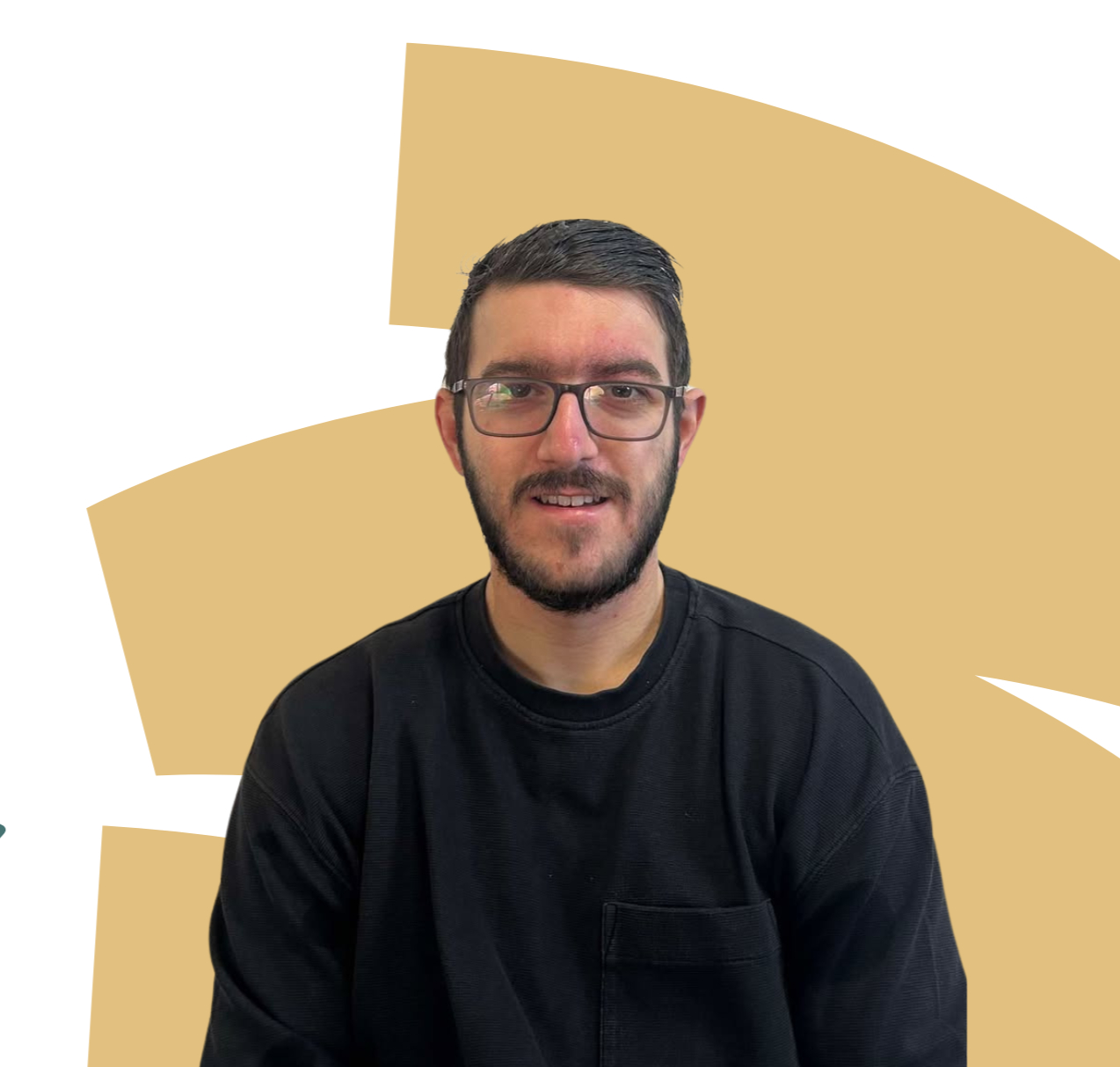
I know there are many neurodivergent individuals who feel like they’re on the outside looking in — not because they lack ability, but because the system doesn’t fit how they think, work, or grow. I’ve felt that myself. When the right structures aren’t in place, confidence can shrink and potential can go unseen. But this isn’t fixed. With the right environment, people can contribute far more than they’re often given the chance to show. The talent is already here. The question is whether we choose to build for it.


Comments