
The Day Someone Said I Sound Like Her Son (And Why That Matters)
- Sam
- Dec 18, 2025
- 3 min read
The moment that made it all click
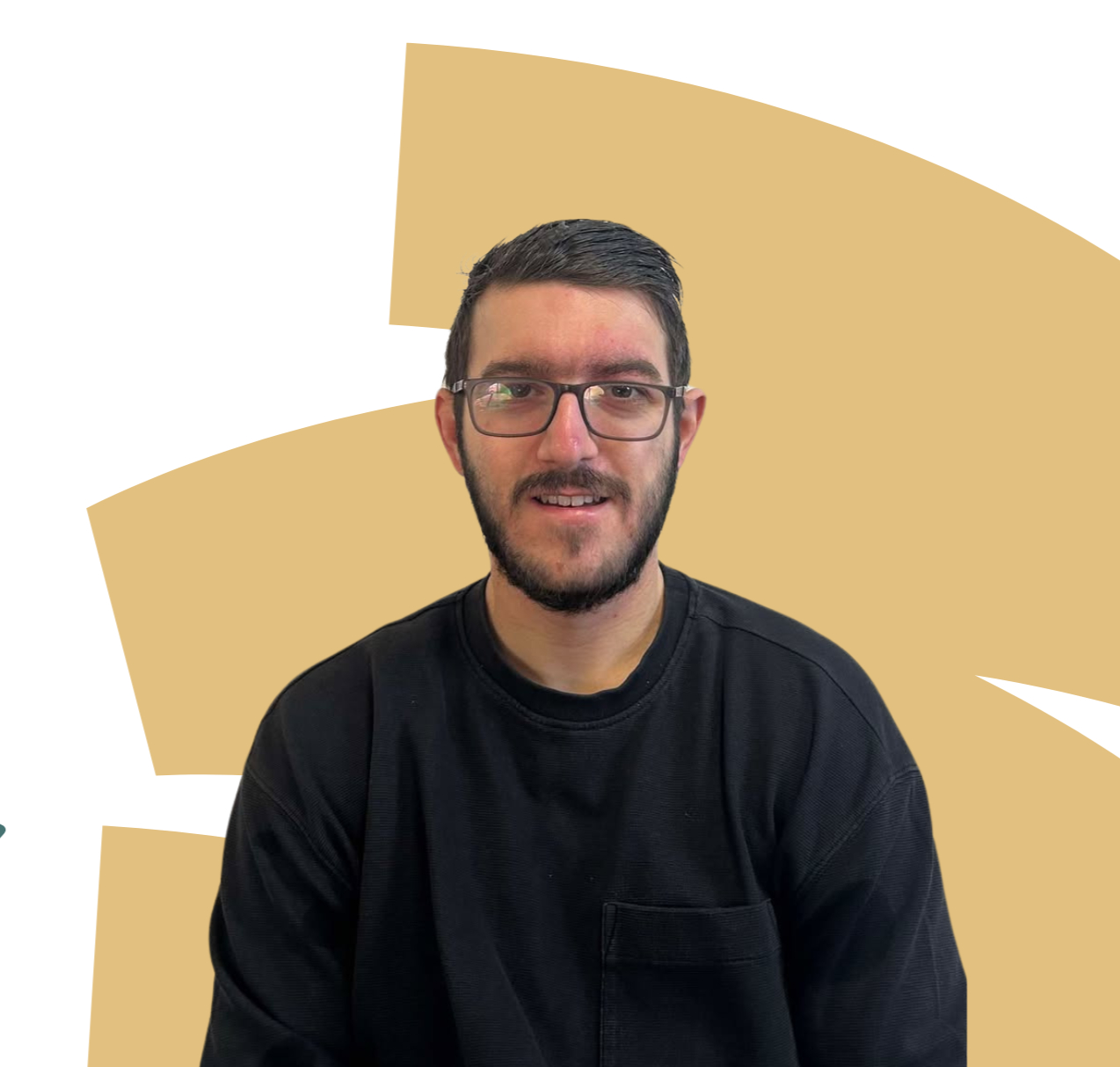
“I just want to say thank you to you, Sam – the way you speak so openly through storytelling… you speak in a way I see through my son’s lived experience of neurodivergence.” As soon as this feedback came my way after a presentation I delivered on December 4th to Blaby District Council – it clicked! That comment reminded me why I do this work – and why one presentation can’t be where it ends. The UK employment gap for disabled people is massive, but the solution requires collective action, not just awareness.
Why neuroinclusive culture isn't just a buzzword – it's urgent
According to the latest Department for Work and Pensions / Office for National Statistics report (November 2025), the employment rate for disabled people in Q2 2025 was just 52.8% – a stark reminder of how far we still have to go. And within that, people with neurodivergent conditions face even deeper inequality. As a neurodivergent person myself, I witness these barriers every day: the misunderstandings, the lack of accommodations, and the untapped potential that goes under the radar. This isn’t abstract policy talk; it’s about real people trying to build meaningful careers in systems not designed with them in mind. When we talk about employment gaps, we’re talking about human gaps – opportunities missed, voices unheard, and talent left on the sidelines.
Energy, storytelling, and why passion matters in this work
The feedback I received from my presentation wasn’t just about my information – it was about connection. My audience responded to my energy, my anecdotes, my lived experience. In my presentation, I didn’t just share theory – I shared my story. I told them about examples of where I have thrived due to receiving clear instructions of what was expected of me, and most importantly, inclusive leadership. When people see you as a positive role model and are eager for your retention in a particular setting, this just emphasises how inviting such a setting is. I contrasted that with roles where I was told I was “dependent on others” – not because of my abilities, but because leadership didn’t understand how to manage neurodivergent employees. The difference wasn’t me. It was the environment.
Why presentations alone don’t create lasting change
One concern I have is keeping the momentum going after this presentation. I’m determined that it won’t become another “awareness” event that people forget. Many organisations tick the awareness box and move on, but real neuroinclusion requires ongoing commitment — policy changes, manager training, peer support, and accommodations that genuinely work. This is where I position myself: someone who wants to stay involved, not just appear once. Too often, box-ticking becomes the goal, without any understanding of what meaningful change actually looks like. Neuroinclusion isn’t about saying “we’ve done it”; that mindset suggests the work is finished when it’s barely begun. My wish to stay involved is about shifting attitudes and ensuring neurodivergent employees and job candidates are no longer left on the outside looking in.
What it actually takes to move the needle
So, what does meaningful collaboration look like? It’s organisations examining their hiring practices so neurodivergent people aren’t excluded by outdated terminology or hype-driven words that obscure what a job actually involves. It’s creating a culture where neurodivergent employees feel safe to share what they need to do their best work. As long as someone can realistically meet the role’s requirements, any initial challenges can be resolved quickly to build a psychologically and physically safe workplace.
It’s candidates having honest accommodation conversations, and organisations being open to investing in what makes work easier and less stressful — often at no cost, since Access to Work funds many adjustments. It’s HR teams partnering with people who live this experience. Someone like me — with Dyspraxia, Autism, and a track record of storytelling and contributing to a government public inquiry — can offer insight into what actually helps.
This isn’t about blaming anyone. It’s about shifting attitudes in leadership and building genuine partnerships where lived experience and shared enthusiasm guide the direction of change.
Let’s Keep Talking
My goal is simple: to stay connected with organisations and thought leaders who are ready to move beyond talking and start acting. Awareness matters, but action is what transforms workplace culture. If we want to right the wrongs of the past and build environments where neurodivergent people can thrive, then we need commitment, collaboration, and the courage to do things differently. This is a call to action — to organisations, HR leaders, neurodivergent professionals, and anyone determined to improve employment outcomes. I want conversations, partnerships, and real problem-solving. If any of this resonated with you, don’t let the momentum fade. Connect with me on LinkedIn (Sam Killip, “neuroinclusive workplace enthusiast”) or email me at sam.killip@enrych.org.uk . Let’s build the future together!


Comments